





The Origin of Korean Entrepreneurship
Where did Korean entrepreneurship really begin?
With Samsung?
With LG?
With Korea's extraordinary industrial rise?
Or does the story begin much earlier?
What if we have to go back nearly 500 years to find its roots?

Today, Korea is known for what it creates.
Entrepreneurship helped transform South Korea into one of the world's most dynamic economies.
We know the companies. We know many of the founders.
But there is another question:
Where did the values behind this entrepreneurial spirit come from?
Go back in time
To explore that question, we have to go back nearly 500 years.
Not to Seoul.
Not to a corporation.
Not to a factory.
But to southern Korea during the Joseon Dynasty.
And to a teacher.

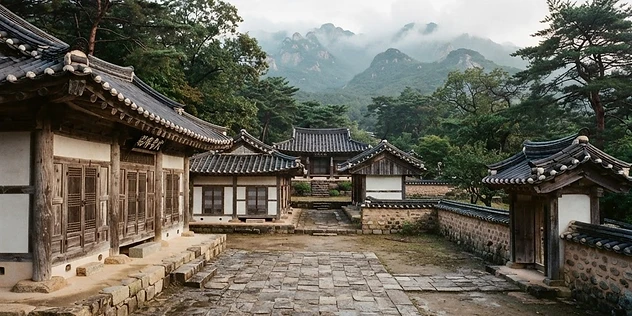
What could a scholar born in 1501 possibly have to do with modern entrepreneurship?
He never founded a company.
He never ran a factory.
He never saw modern Korea.
The word "entrepreneurship," as we understand it today, did not belong to his world.
And yet, centuries later, an intriguing pattern appears.
A place.
A network of students and families.
A set of values.
And eventually, some of the founders who would transform Korea.
His name was Nammyeong Jo Shik.
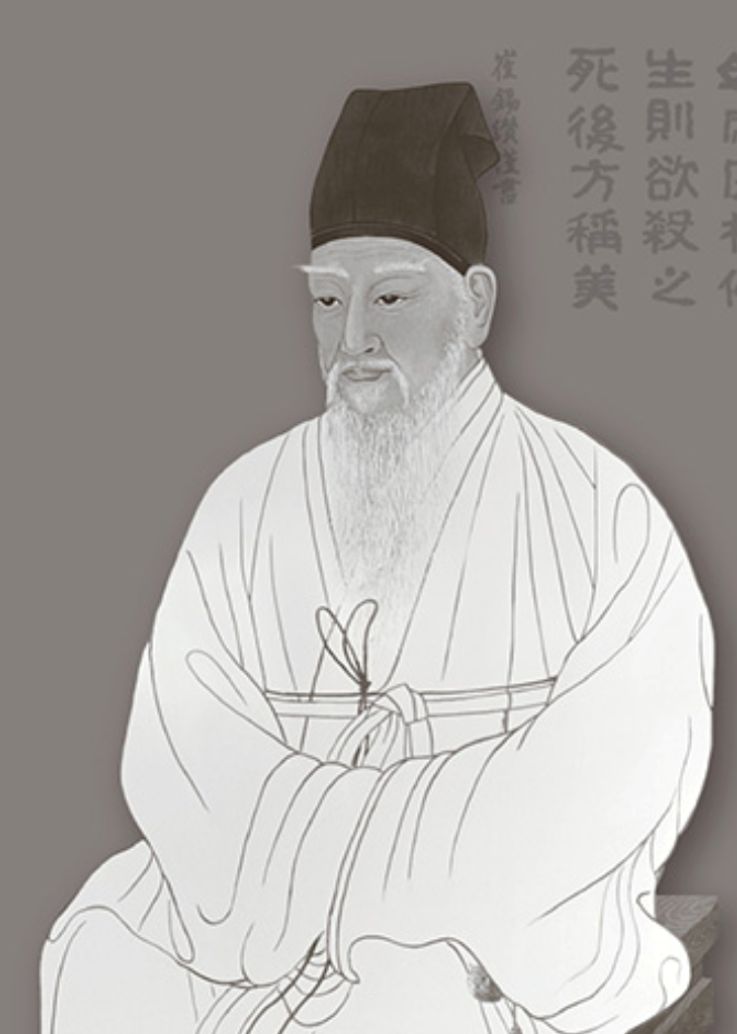
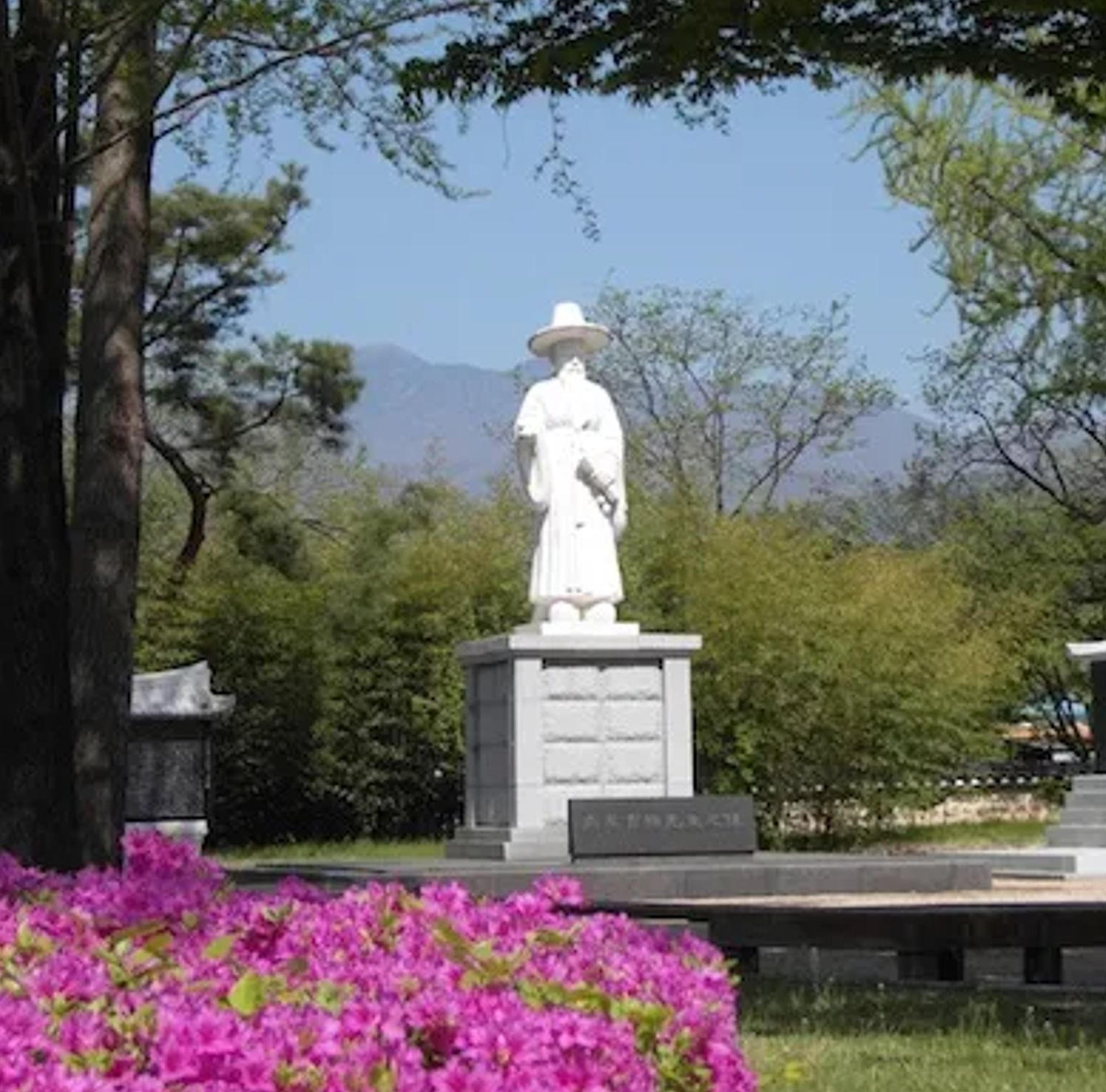
Nammyeong Jo Shik
Jo Shik was a Korean Confucian scholar and teacher during the Joseon Dynasty.
But what makes him important to this story is not simply what he studied. It is how he believed people should live.
Jo Shik believed that knowledge alone was not enough. A person could read. A person could study. A person could understand philosophy.
But eventually came the harder question:
What will you do with what you know?
His philosophy connected inner development with outward action.
Develop your character. Build your capabilities. Exercise judgment. Care about others.
And when circumstances demand action—
Act
Develop the person first. Then the person can act.
But ideas do not travel by themselves.
People carry ideas.
Teachers pass them to students. Students become teachers. Families carry traditions. Communities remember. Generations pass.
And Jo Shik's story became deeply connected to one particular part of Korea.
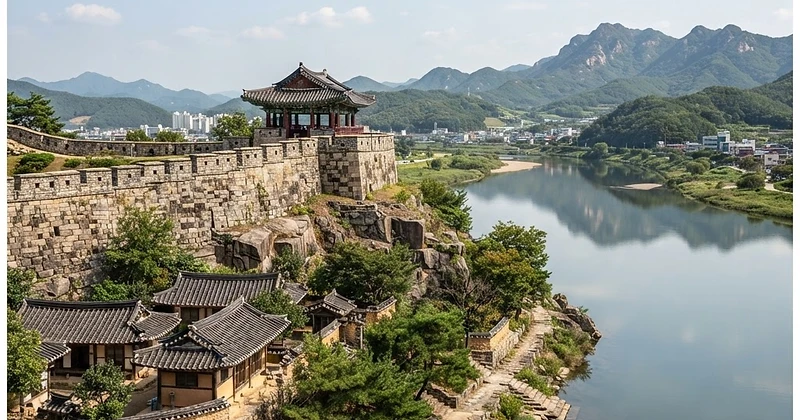
Jinju
Jinju
Where a teacher's ideas took root.
Jo Shik taught at Sancheonjae in the region surrounding Jinju. Across generations, his students, families, and communities carried his teachings forward.

Jo Shik's philosophy can be explored through four powerful human questions.
But what does any of this have to do with entrepreneurship?
Jo Shik was not teaching entrepreneurship in the modern sense.
He was teaching something entrepreneurship depends upon:
Capable people.
An opportunity means little if nobody is prepared to recognize it.
And recognizing an opportunity means little if nobody is prepared to act.
People come before opportunities.
Then, centuries later, the story takes an unexpected turn.
Families and networks connected to this region begin appearing in the history of modern Korean enterprise.
And suddenly, some very familiar names enter our story.
How could these companies possibly connect to a scholar born in 1501?

Samsung's founder was born in the Jinju region. The historical relationships traced in the study connect his family through scholars associated with Jo Shik's intellectual lineage.

LG's story also begins in the Jinju region. The study traces connections through family and marriage networks associated with Jo Shik's intellectual tradition.

The GS story intersects with the same Heo family networks that played an important role in the early history of LG.

Hyosung's founder came from a family lineage that included Jo Jong-Do, a disciple of Jo Shik.
The Values Today
Four Companies. Four Principles. Five Centuries of Change.
Centuries after Jo Shik, four companies connected to this story have become part of modern Korea. How do the values they express today compare with the principles we encountered earlier?
Explore the companies and the principles. The connections below reveal parallels in ideas and language — not claims of direct causation.
Select a company or principle to explore the echoes.
These connections highlight conceptual parallels between Jo Shik's historical principles and the language the companies use to describe themselves today. They should not be interpreted as evidence of direct causation.
Five centuries separate these words. How different are the ideas?
The language has changed. The companies have changed. Korea has changed. Yet ideas about people, integrity, challenge, responsibility, human development and shared prosperity continue to appear in the way these companies describe themselves today.
The Companies Today
From historical roots to global enterprises
The four companies in this story grew into major enterprises in modern Korea. Their businesses are different, and their corporate philosophies have evolved over generations, but each continues to express ideas about people, responsibility, innovation, cooperation and long-term development.
Inspire the world with our innovative technologies, products, and design that enriches people's lives and contributes to social prosperity by creating a new future.
Jeong-do Management — fair management practices and constantly developing business skills.
Creating new life experiences and planning a better future for our customers. Customer satisfaction is the highest value, the ultimate mission, and the reason for GS's existence.
GS is presented as a business group; no single flagship-listed FY2024 revenue is used here.
Enhance and enrich the quality of life for humanity with its leading technology and management capability.
* GS Group established 2004, emerging from LG Group through the Heo family line. GS is part of this exhibit's broader four-company story but was not a column in the original published Table 3.
The Original Research
The original published Table 3 examines Samsung, LG and Hyosung. GS is included in this digital exhibit's broader four-company story and modern-values comparison, but was not a separate company column in the original table.


From Jinju to the world
These entrepreneurs did not simply build successful local businesses. The companies they created helped transform Korea.
Companies rooted in a region once known for scholars, teachers and Confucian learning became part of Korea's rise as a global industrial and technological power.
And then the story came home.
More than four centuries after Jo Shik taught in southern Korea, entrepreneurs, scholars and leaders from around the world gathered in Korea for the ICSB World Congress.






In Jinju, the history was no longer simply something being studied from afar.
The story had returned home.